Take your class somewhere they have never been.
Free, standards-aligned visual investigations for grades 9–12, built from an original archive of field photography and firsthand notes from seven continents.
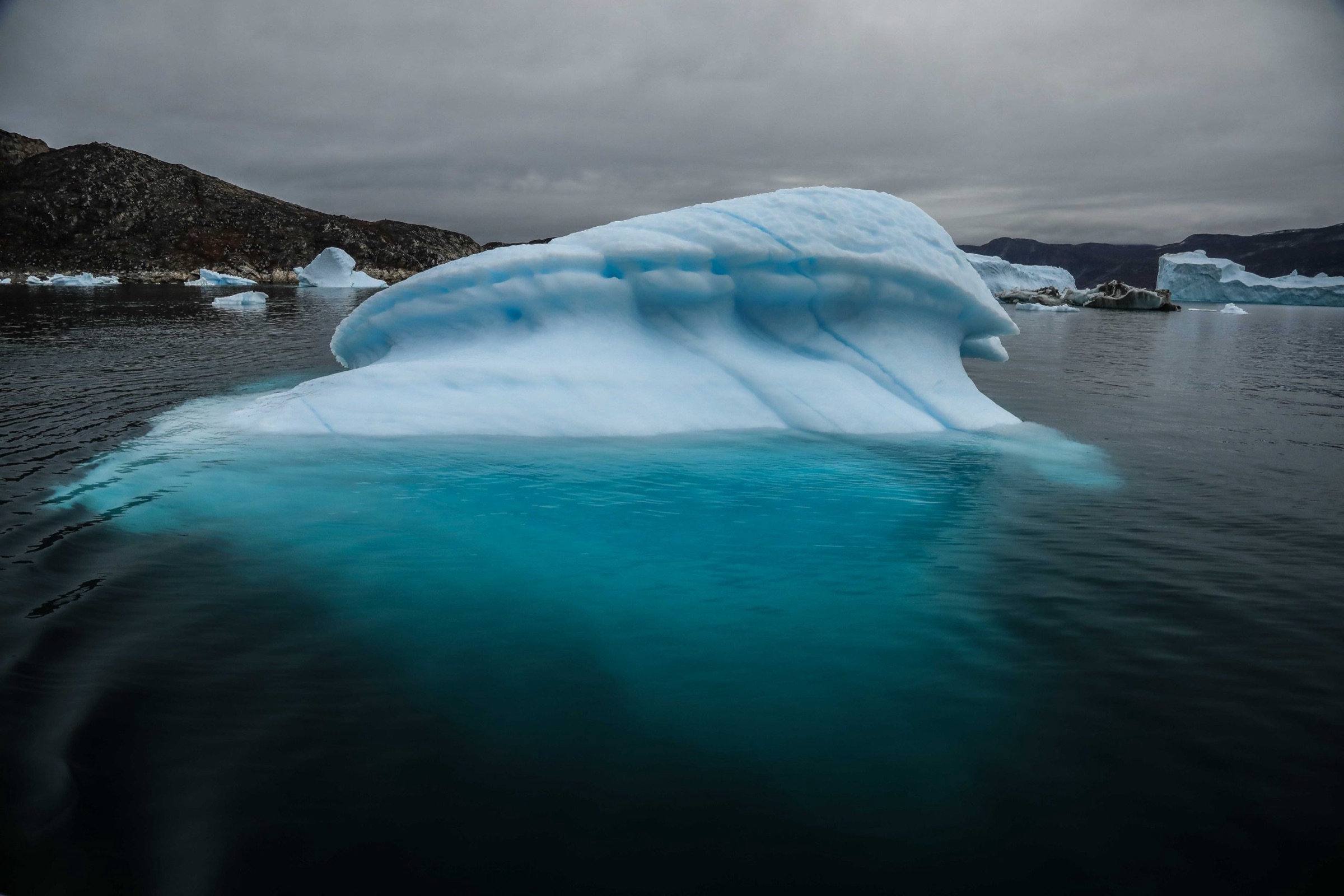
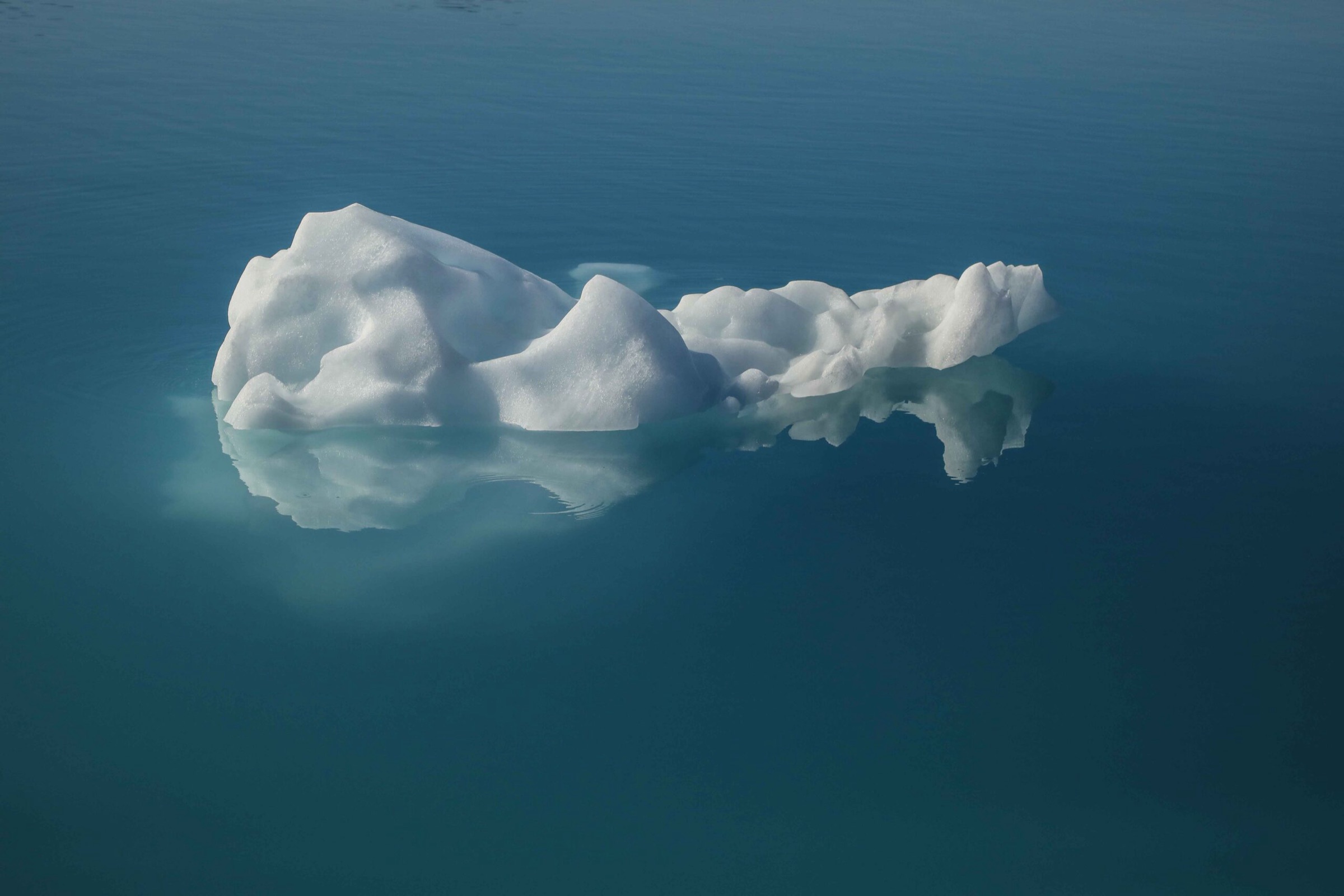
Ilulissat Icefjord, Greenland / 69.22°N 51.10°W
What is inside a Visual Field Investigation
A short narrated visual story
A place, introduced the way a field researcher would see it first, with no caption to lean on.
A curated photo set
The specific frames the investigation is built from, each with a caption, a credit and alt text.
Notice and wonder prompts
Students describe what they can see before anyone tells them what it is.
An image-as-evidence investigation
The photograph is treated as a primary source, read the way a historian reads a document.
A brief reading or data set
Enough real numbers to test a guess against, not a textbook chapter.
A claim, evidence and reasoning task
Students commit to a position and defend it with what they actually observed.
Free, and ready to teach.
See all investigations →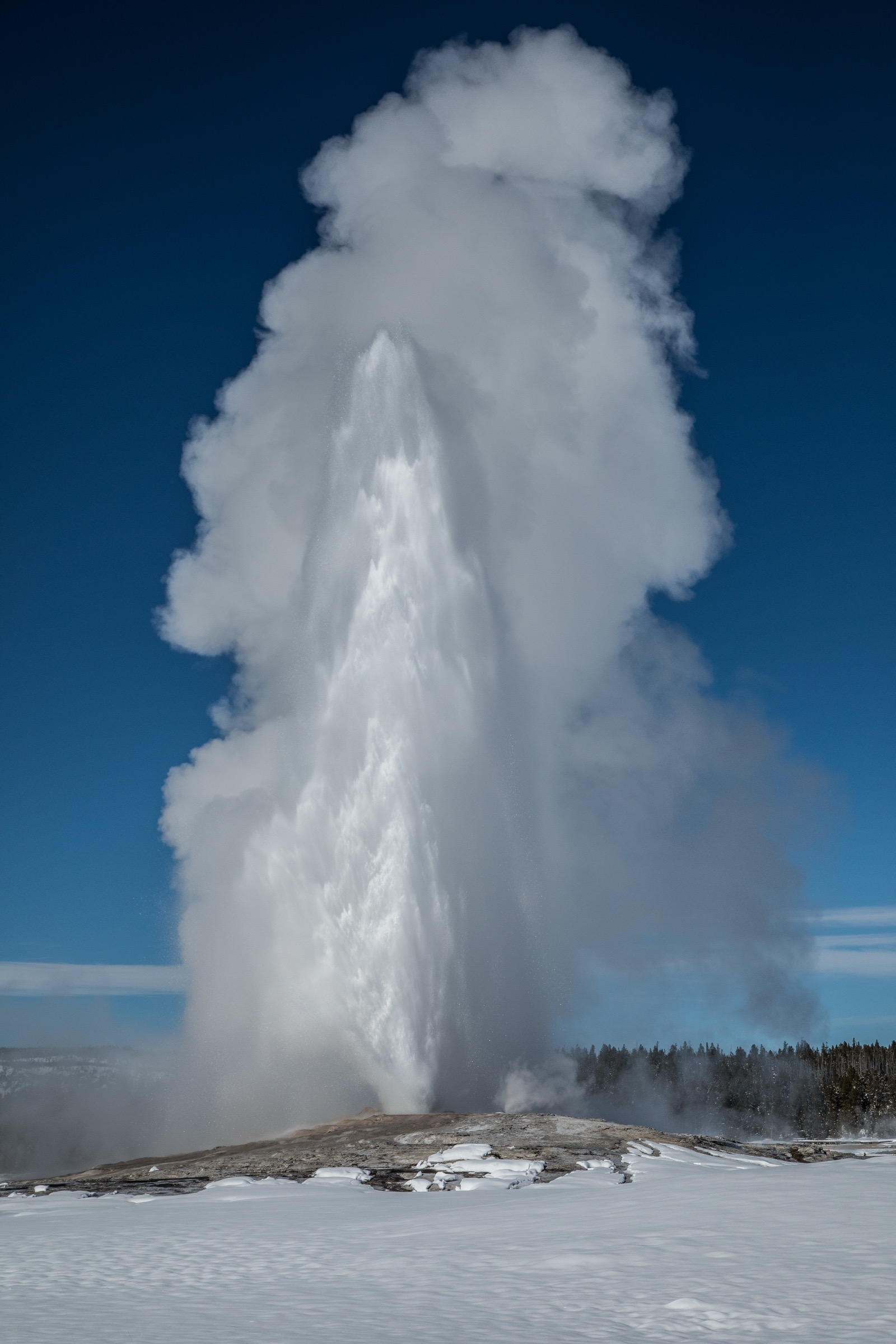
Where the Earth Leaks Heat
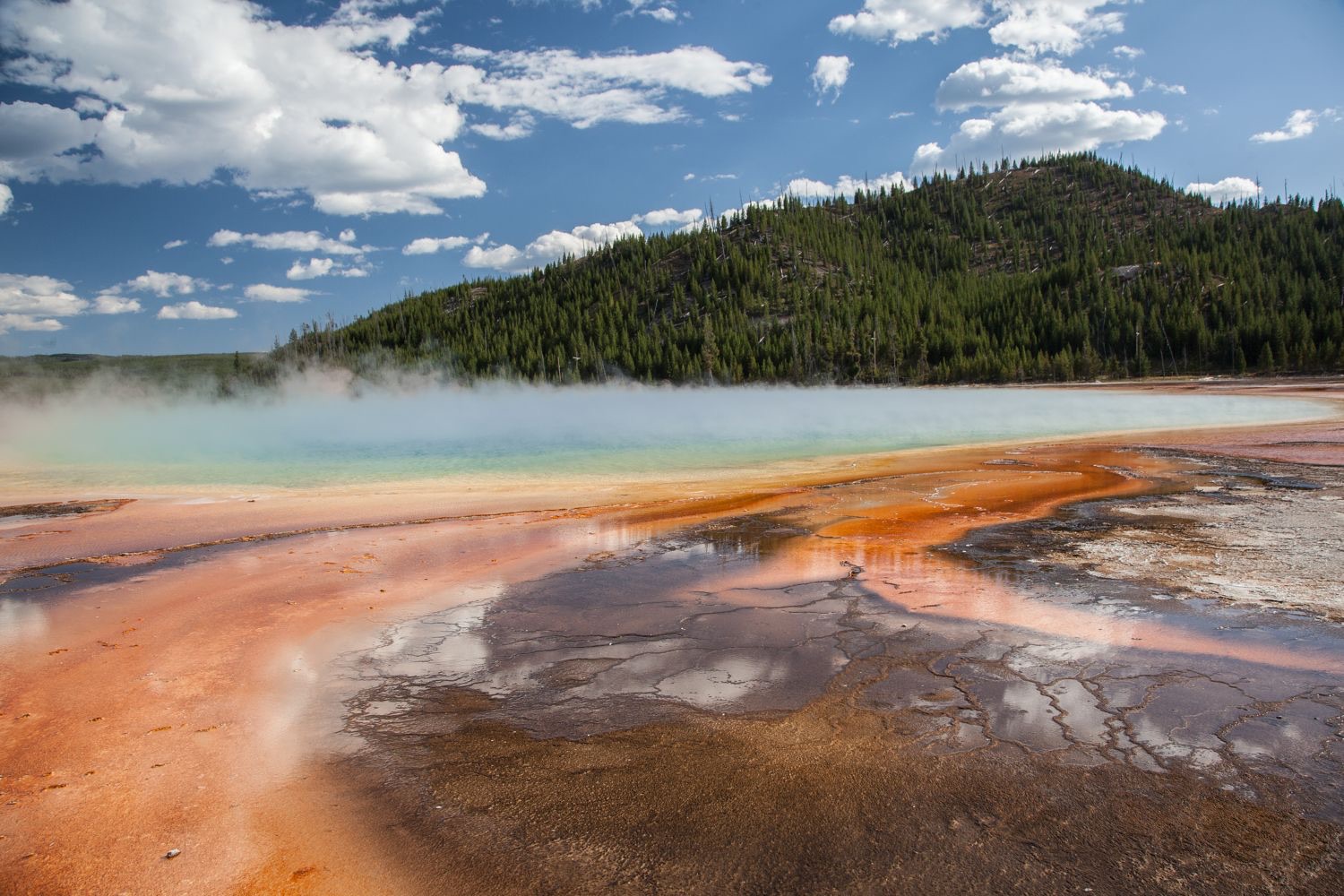
A stripe of orange running across white ground is a temperature map drawn by living things — and the place it was photographed sits on one of the largest geothermal resources on Earth, permanently off-limits to anyone who wants to generate electricity from it.
Grades 9–12 · 45 min
What Water Leaves Behind
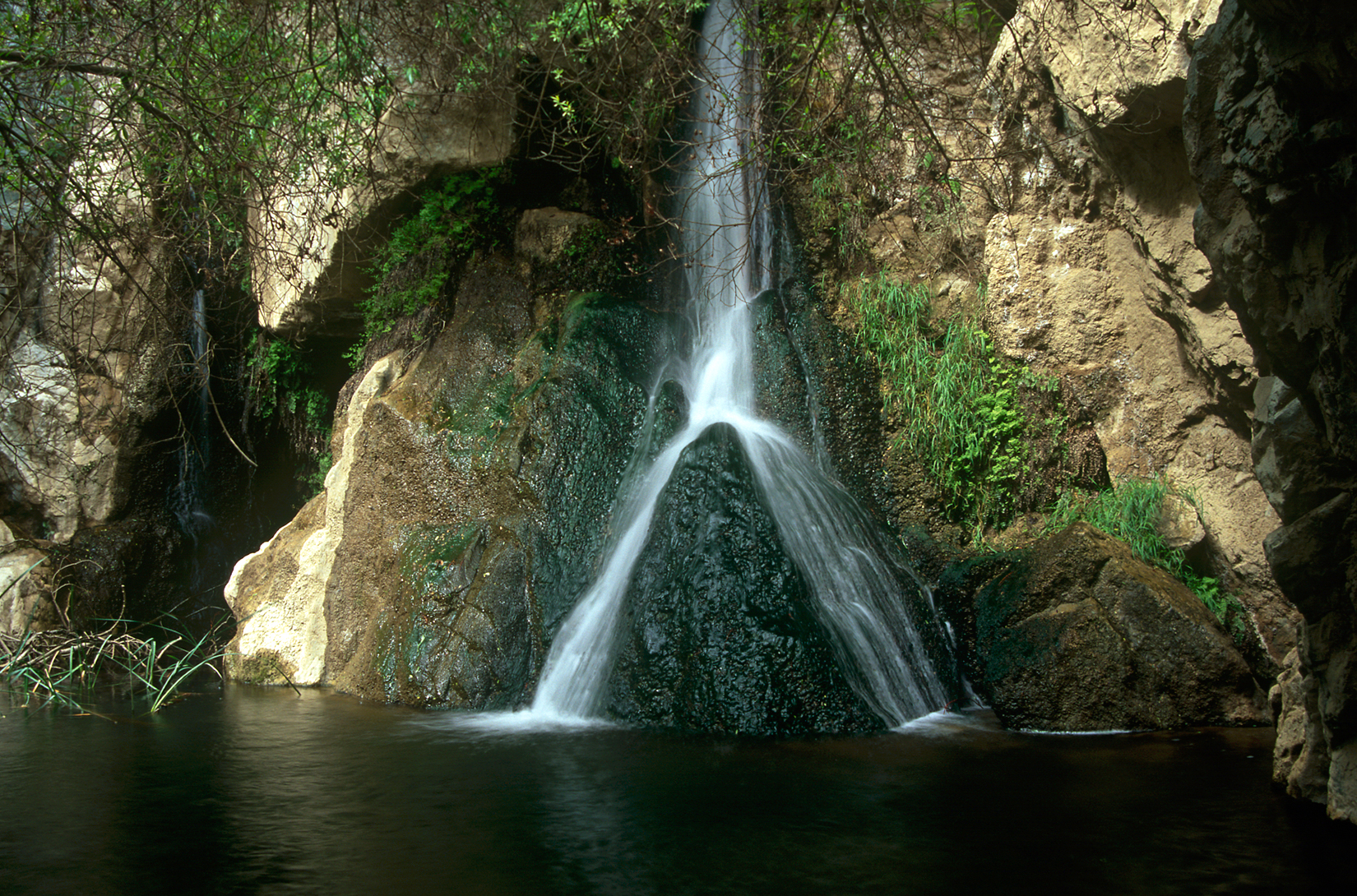
A waterfall is the easy part. The harder question is where the water came from, how long it has been working on this rock, and who else is counting on it.
Grades 9–12 · 45 min
The Same Shape on Two Planets
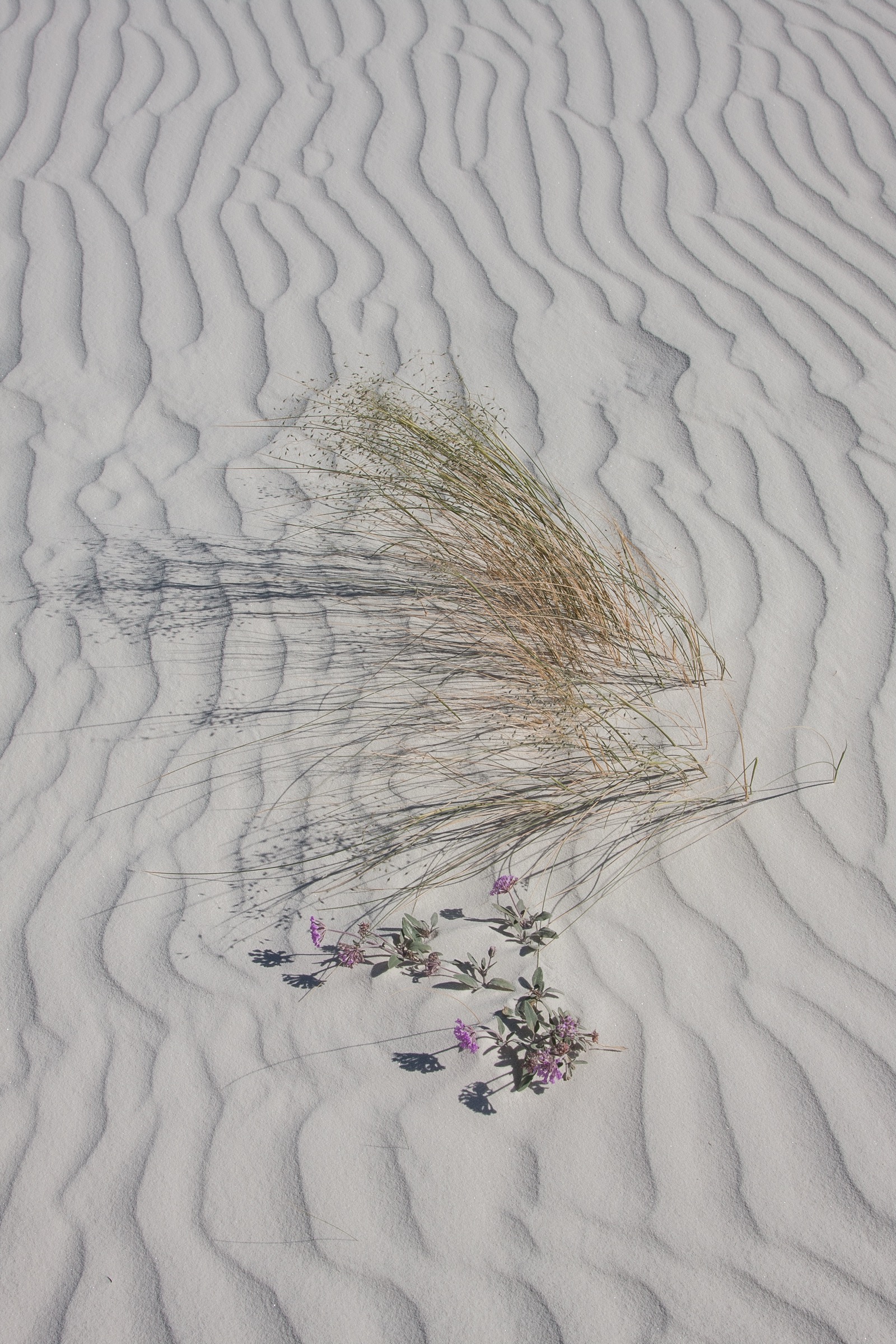
Ripples in sand, a stone with one face cut flat, a dune field with a mountain range behind it, and the same forms photographed on Mars. One process, four scales, two planets.
Grades 9–12 · 45 min
Forty years of fieldwork, opened up for the classroom.
Almost every photograph, clip and field note in the Atlas was made by Greg Smith on his own expeditions, from the Colorado Plateau to the west coast of Greenland, and where one was not — a spacecraft image, say — the credit is shown beneath the frame. Each image carries a caption a student can cite, and its location where that has been confirmed.
We are auditing that archive now for rights, accuracy and cultural sensitivity, working through it one investigation at a time.
Live field trips are next.
We want to bring a live version of the field — a short guided look at the place in a photograph, then open questions — into a classroom in real time. Nothing is scheduled yet. Until it is, the fastest way to hear about it is to start with one of the investigations that are ready today.
See the investigationsIt is free, and it stays free.
The core classroom library is free forever, funded by grants and sponsored collections. No login, no trial, no upsell in front of a lesson.
Reviewed before it reaches you.
Each module is meant to be read by a subject scientist and a practising teacher before it publishes, with a reviewer from the place itself where that matters. For the investigations live today, that review is in progress, not complete.
We are early, and we will say so.
The library is small on purpose. We would rather build it well with you than publish a hundred nobody teaches twice.
Teach an investigation this month, and tell us what broke.
We are looking for teachers to pilot one and send back honest notes. It takes one class period and a short form afterward.
There is no mailing list yet. The three-question form at the end of the lesson does ask for a work email, so we can reply to what you tell us — nothing on this site asks for one before a download.